

What Is a Green Roof and How Does It Work?
A green roof, also called a living roof, is a roof structure partially or completely covered with vegetation, a growing medium, drainage layers, and waterproofing. In practice, it means turning an ordinary roof into a managed, living landscape that can help with insulation, water management, and the urban environment.
Most commonly, green roofs are divided into two types:
- Extensive: Lightweight, with shallow soil (2-6 inches), planted with hardy, low-maintenance species like sedum or moss.
- Intensive: Heavier, with deeper growing medium, able to support varied plants, shrubs, and even walkways.
Both types require a specialized multilayer build, generally including waterproofing, root barriers, a drainage layer, soil, and plants adapted to the region's seasonal temperatures and precipitation patterns.
Are Green Roofs Practical in Palmyra, NY’s Climate?
Green roofs are possible in Palmyra, NY, but with some important regional considerations. The area experiences cold winters, regular snowfall, wet springs, and warm, humid summers. These conditions mean that:
- The roof must be structurally sound to support the added weight, especially when saturated or covered with snow.
- The chosen plants must tolerate the local freeze-thaw cycle, variable rainfall, and seasonal winds.
- Drainage is critical, as standing water can damage the underlying roof materials.
Local homes with shallow-pitched or flat roofs are better suited to green roofing than steep-sloped high-pitch styles, which are less likely to retain soil and water efficiently. Proper installation and planting choices make green roofs a realistic, if sometimes complex, option for residents who want to make the investment.
What Are the Main Benefits of a Green Roof for Local Households?
Area households choose green roofs for a few common reasons:
- Energy Efficiency: Vegetation adds natural insulation, reducing heat loss in winter and heat gain in summer. This can modestly lower heating and cooling bills.
- Stormwater Management: By absorbing rainfall, green roofs can reduce runoff during heavy storms. This is helpful for communities managing excess water after spring thaws or sudden downpours.
- Increased Roof Lifespan: The underlying waterproofing can last longer, protected from UV rays and large temperature swings.
- Local Air Quality: Vegetation naturally filters dust and may absorb some airborne pollutants.
- Neighborhood Ecology and Aesthetics: A green roof can support pollinators, soften harsh built environments, and create a visually pleasing view from upper stories or neighboring homes.
What Maintenance and Upkeep Is Required?
All living roofs require ongoing care, though extensive green roofs need the least. Here’s what’s typically involved:
- Spring and Fall Inspections: Checking for plant health, debris removal, and confirming that drainage is clear.
- Watering: Usually not required after initial establishment, unless a drought occurs.
- Weed Control: Removing unwanted plants, especially in the first few years.
- Structural Inspections: Ensuring the roof membrane remains watertight and that the draining system works.
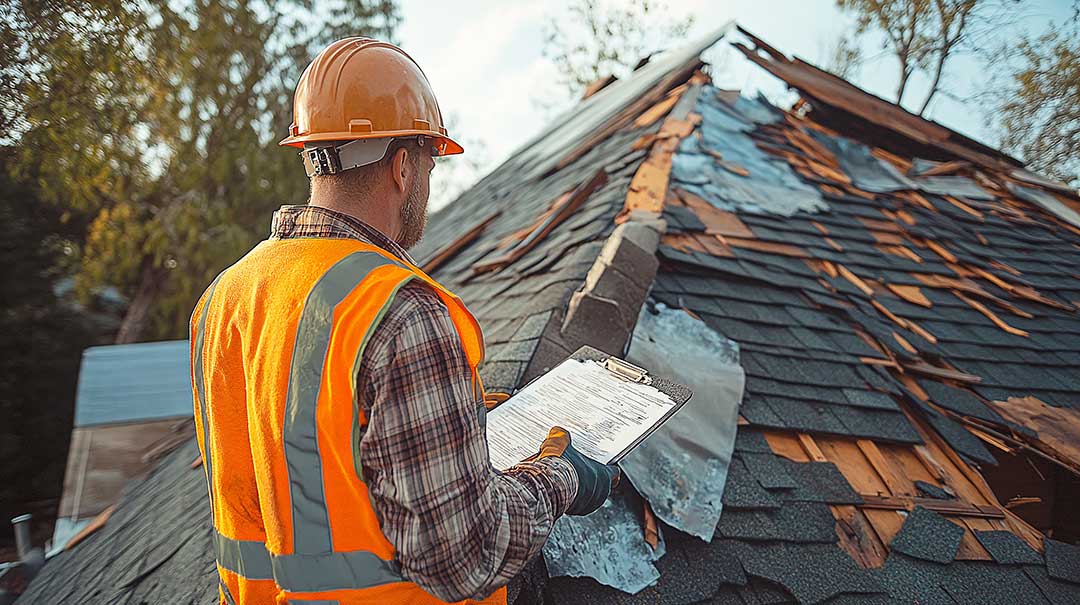
Some residents underestimate the seasonal work involved. Unlike a plain roof, ignoring a green roof can lead to plant die-off or even leaks. Regular checks help prevent small problems from escalating.
Are There Local Barriers or Special Requirements?
In Palmyra, regulations on green roofs are less common than in dense urban areas, but there may be building code or homeowners’ association rules to review in advance. Most critically, a home's existing roof decking must be evaluated to confirm it can support the added weight of wet soil, plants, and snow. This is especially important in homes built before modern snow-load standards.
Making modifications or adding structural support can add to costs and complexity for some older or lighter-built homes.
How Do Costs and Lifespan Compare to Traditional Roofs?
A green roof generally costs more to install than an asphalt shingle or basic membrane roof. The increase comes from materials (multiple layers), specialized labor, and occasionally reinforcement of the roof structure. However, over an average 30-50 year lifespan, the extra upfront expense can be somewhat offset by lower energy costs and reduced need for roof replacement.
In Palmyra, the cost difference is greatest for small or inaccessible roof sections, but larger, flat roofs may see more favorable economics, especially over time.
What Are Some Common Misconceptions?
It's easy to overestimate or underestimate the reality of green roofs. Some myths and overlooked realities include:
- Self-Sufficiency: Green roofs are not “hands-off.” They need at least basic routine attention.
- Universal Suitability: Not every roof in Palmyra is fit for a green conversion. Weight, slope, and sun/shade exposure all matter significantly.
- Instant Benefits: The full energy and stormwater benefits develop over time as roots establish and layers mature.
Is a Green Roof Right for Your Home?
For local residents interested in sustainability, improved insulation, and a unique look, green roofs are a pioneering, if specialized, venture. Deciding to proceed depends on willingness to invest in installation, commit to routine upkeep, and ensure your home’s structure can safely accommodate the change.
Those who enjoy gardening, want to support pollinators and native plantings, or hope to improve their property's long-term value may find the challenges worthwhile. For others, lighter sustainability upgrades or traditional cool roofing options may be more practical.
