
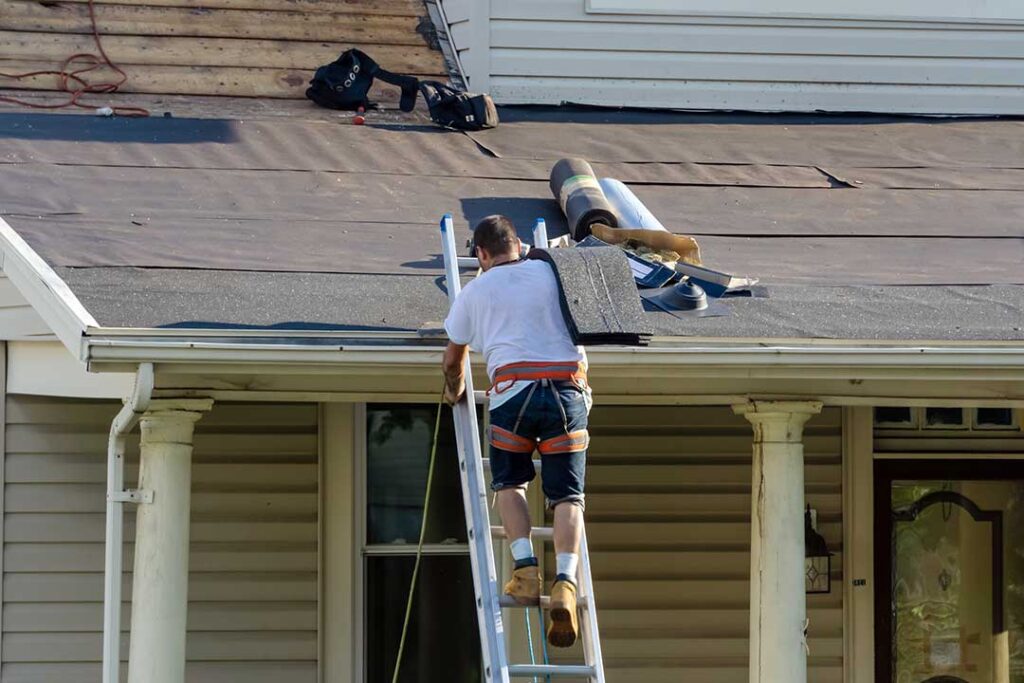
Why Do Asphalt Shingles Curl and Crack?
Shingle curling and cracking on roofs in Palmyra, NY typically happen due to a combination of weather exposure, aging materials, and issues with ventilation. Curling refers to the edges or corners of shingles lifting or turning upward, while cracking shows as splits or fractures on the shingle surface.
Heavy snowfall, sudden thaws, and frequent freeze-thaw cycles in Palmyra put a lot of stress on roofing materials. Sunlight, even in the winter, causes shingles to expand and contract, and repeated cycles break down the asphalt layer and its flexibility over the years. Poor attic ventilation can also trap heat and moisture, speeding up the deterioration of roof shingles.
What Are the Common Signs to Watch For?
In the Palmyra area, homeowners can usually spot curling and cracking shingles through a basic visual inspection from the ground or with binoculars. Warning signs include:
- Shingle edges or corners lifting, especially near roof ridges or eaves
- Visibly warped, wavy, or uneven roof lines
- Thin, random lines or wider splits running across shingle surfaces
- Areas where granules have worn away, leaving bare shingle sections exposed
- Shingles that appear to have shrunk or pulled away from each other
If these symptoms appear on an aging roof, it's a good indicator the shingles are losing effectiveness in keeping water out—an especially serious concern before the next heavy rain or snow.
Can Curling and Cracking Shingles Be Repaired or Should They Be Replaced?
If only a few shingles show early signs of curling or small cracks, local residents can often address limited areas as a short-term fix. For example, gently flattening curled shingles and re-securing them with roofing adhesive sometimes extends their usefulness for a season or two. Small cracks can be sealed with roof patch products, provided the underlying shingle isn’t brittle or crumbling.
However, widespread curling and cracking—especially across large roof sections—usually means the shingle material has reached the end of its effective lifespan. Trying to patch large numbers of damaged shingles is unlikely to prevent leaks during a wet spring or after a harsh winter in Palmyra.
How Does Climate in Palmyra, NY Affect Roofing Lifespan?
Palmyra’s distinct seasons and regular freeze-thaw cycles mean shingles age differently than in milder regions. Winter snow builds up on roofs for weeks, weighing down shingles and allowing water to seep under curled or cracked areas once melting begins. Spring rains easily work their way into exposed spots, and humid summers can trap damp air in attics if ventilation isn’t adequate.
Roofs in the city commonly face:
- Snow and ice buildup leading to ice dams, especially above eaves with poorly ventilated or insulated attics
- Rapid shifts between warm and cold, which stress the asphalt and make cracks more likely
- Summer sun drying out shingle surfaces, further reducing flexibility
Understanding these patterns helps area households set realistic expectations for asphalt shingle roofs, which generally last about 15–20 years here—sometimes less if the roof is regularly exposed to harsh elements.
What Preventative Steps Can Homeowners Take?
Prevention is the most reliable way to slow down shingle curling and cracking on local homes. Key actions include:
- Inspecting the roof each spring and fall for early signs of shingle wear
- Keeping gutters and roof valleys clear to prevent ice dam formation
- Maintaining or improving attic insulation and ventilation to avoid trapped heat or moisture
- Clearing snow carefully with a roof rake during deep winters, taking care not to damage shingle surfaces
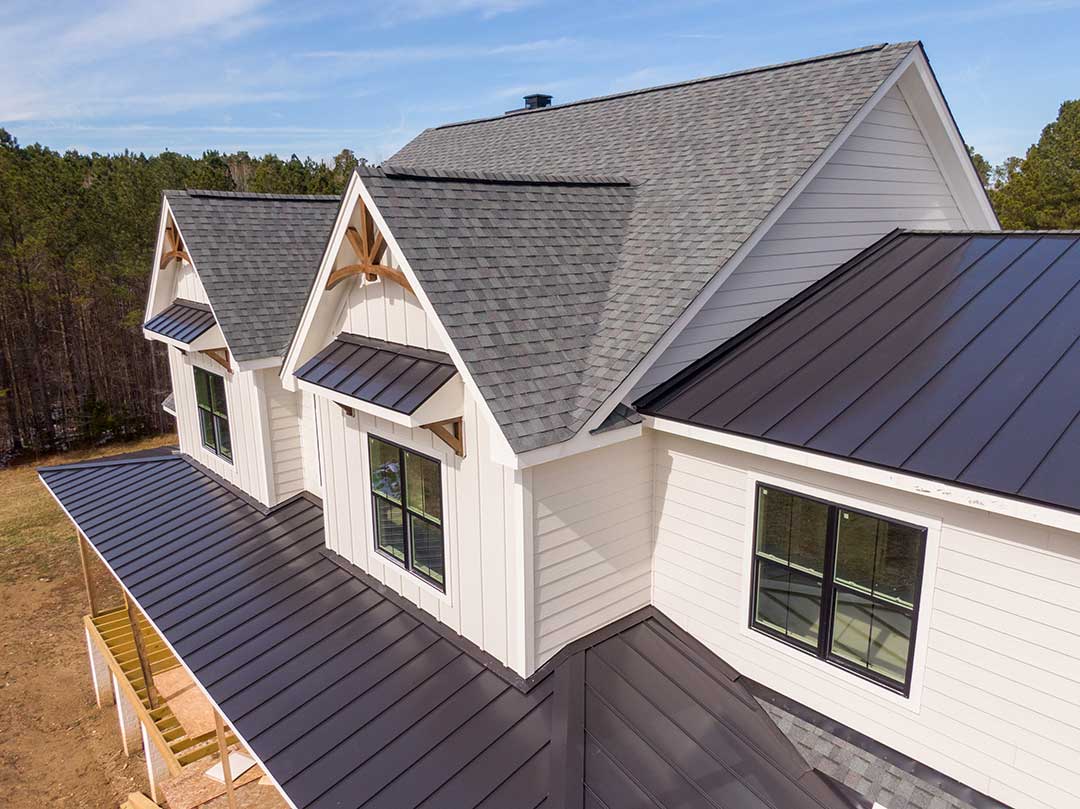
Residents should also trim back trees to help roofs dry after rain and prevent moss buildup, which can accelerate wear.
Can Curled or Cracked Shingles Cause Leaks in Palmyra Homes?
Yes, curled or cracked shingles create vulnerable points on the roof where water, snow, or ice can penetrate. Even small gaps or splits often let wind-driven rain or melting snow seep underneath the shingle layer, potentially causing attic leaks or water stains on ceilings. This can lead to mold, reduced insulation effectiveness, and even rotted wood decking if not caught early.
Because local weather often brings rapid temperature changes or severe storms, vulnerabilities worsen quickly. That’s why addressing problem shingles promptly, even if just a few at first, is essential for avoiding much larger repairs later.
Are There Common Misconceptions About Shingle Damage and Repair?
Some area homeowners mistakenly believe that small curls or minor cracking are simply cosmetic issues. In reality, even early shingle damage can lead to costly problems if not addressed—especially after an unexpected spring thaw or summer downpour.
Another misconception is that new roofing can always be delayed by patching individual shingles. While spot repairs buy time on newer roofs, older roofs with widespread deformation or splitting usually need more thorough replacement, especially in a climate with heavy seasonal stresses like Palmyra’s.
When Is a Full Roof Replacement Needed?
A roof replacement is generally more cost-effective than repeated patchwork if:
- Shingles are curling or cracking across more than about 10–15% of the roof area
- There’s significant granule loss exposing the felt mat underneath
- Leaks have already appeared inside or repairs haven’t resolved water problems
It’s also wise for homeowners to remember that local building codes may prohibit adding another layer over badly damaged shingles, especially if the roof already has two or more layers.
What Should Residents Keep in Mind for Future Roof Longevity?
Planning for future roofing needs means choosing materials rated for the local climate, making regular inspections a habit, and promptly clearing snow and leaves to avoid moisture buildup. Many area residents find it worthwhile to discuss attic ventilation and insulation options that meet current standards, further extending roof life under Palmyra’s climate extremes.
By focusing on prevention and timely repairs, homeowners help protect their property, conserve energy, and avoid larger, unexpected costs from unchecked water leaks or structural roof damage.
