
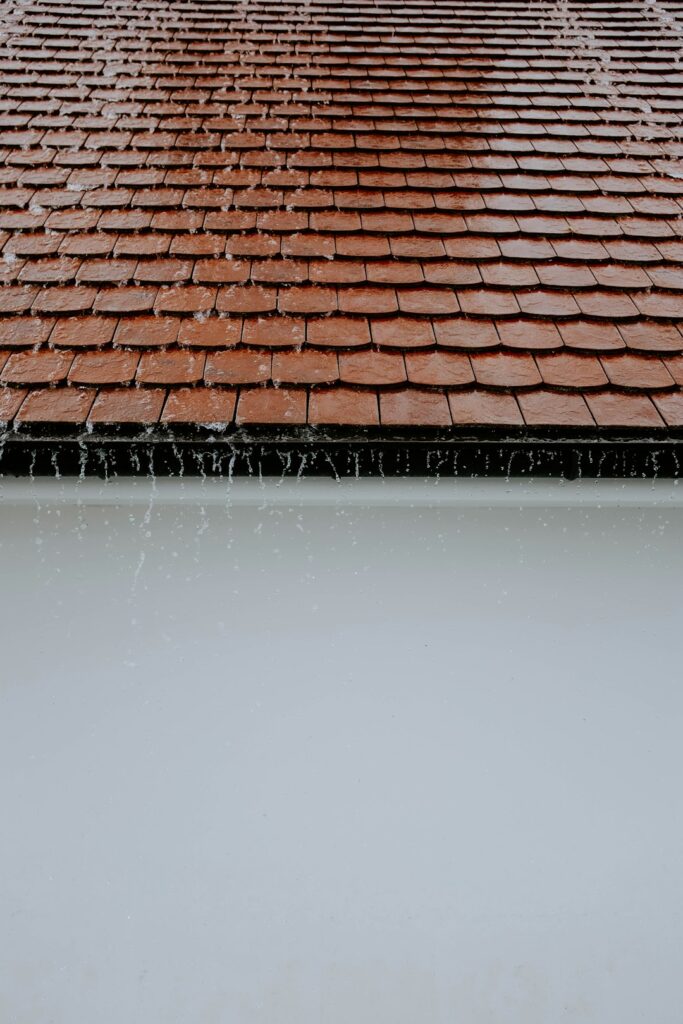
Roof underlayment is a protective layer installed between the roof deck and the outer roofing material. Although it is hidden after installation, it helps reduce water intrusion, protect wood sheathing, and provide backup protection when shingles or other roof coverings are damaged.
For homes in Palmyra, NY, underlayment deserves attention because roofs must handle freeze-thaw cycles, snow, wind-driven rain, and occasional ice buildup along the eaves. Understanding its purpose makes it easier to evaluate roof work, recognize warning signs, and ask informed questions during repairs or replacement.
What does roof underlayment do?
Underlayment acts as a secondary weather-resistant layer below the visible roof covering. Shingles are designed to shed most rainfall, but they are not the only part of a roof responsible for keeping a building dry.
Underlayment can help:
- Limit water entry beneath damaged, lifted, or missing shingles
- Protect the roof deck during the period between roof installation and shingle placement
- Reduce exposure of plywood or oriented strand board to wind-driven rain
- Provide added protection around vulnerable areas such as valleys, eaves, and roof penetrations
- Create a more consistent surface beneath some roofing materials
It does not replace shingles, flashing, ventilation, or proper drainage. A roof is a system, and underlayment works together with the deck, fasteners, flashing, gutters, insulation, and roof covering.
Where is underlayment installed?
Most sloped roofs have underlayment installed across the roof deck before shingles, metal panels, or another roof covering is applied. The roof deck is the structural surface, commonly made from plywood or OSB, that supports the rest of the assembly.
Special attention is usually given to locations where water is more likely to collect or move sideways. These areas may include:
- Eaves and roof edges
- Valleys where two roof slopes meet
- Around chimneys, skylights, and plumbing vents
- Beneath wall-to-roof intersections
- Low-slope sections where water drains more slowly
Flashing is still necessary in these areas. Underlayment should not be treated as a substitute for correctly installed metal or membrane flashing.
What are the main types of roof underlayment?
The most common categories are asphalt-saturated felt, synthetic underlayment, and self-adhering membrane.
Asphalt-saturated felt has been used for many decades. It is generally economical and can provide effective secondary protection when installed correctly. Felt may be more sensitive to tearing, wrinkling, or prolonged exposure before the roof covering is installed.
Synthetic underlayment is made from plastic-based materials. It is typically lighter than felt, resists tearing more effectively, and often handles short periods of exposure better. It still must be installed according to the product instructions because resistance to water and wind varies by material.
Self-adhering membrane has an adhesive backing and is often used in areas requiring stronger protection against water backup. It may be installed along eaves, in valleys, around penetrations, or beneath selected roof coverings. Some membranes are designed specifically for ice-dam protection, while others serve different purposes.
The right material depends on the roofing type, roof slope, local conditions, manufacturer requirements, and applicable building code. A product that works beneath asphalt shingles may not be appropriate beneath every metal roof, cedar roof, or low-slope membrane system.
Why is ice-dam protection relevant in Palmyra?
Ice dams form when heat loss from a building melts snow on the warmer upper portions of a roof. The meltwater travels toward colder eaves, where it can refreeze and create a ridge of ice. Water may then back up beneath the roof covering.
An ice barrier is designed to provide additional protection in this vulnerable lower roof area. In New York, residential code provisions address ice barriers in locations with a history of ice formation that causes water backup. The required coverage and installation method can depend on the roof design and the applicable code edition.
Ice-barrier membrane is not a cure for the underlying cause of ice dams. Attic insulation, air sealing, ventilation, roof geometry, snow conditions, and indoor humidity all influence how much melting occurs. A roof may have appropriate underlayment and still experience ice dams if warm air is escaping into the attic.
Common signs of an ice-dam-related problem include:
- Water staining near exterior walls or ceilings
- Damp insulation near the roof edge
- Peeling paint or damaged trim below the eaves
- Icicles accompanied by interior moisture
- Repeated winter leaks that stop during warmer weather

Climbing onto an icy roof to inspect or remove ice is hazardous. Roof-edge conditions are especially dangerous when snow conceals slippery surfaces.
Does underlayment make a roof waterproof?
Underlayment provides important backup protection, but it does not make the entire roof waterproof by itself. Water can still enter through poorly sealed penetrations, open laps, damaged flashing, exposed fasteners, or improperly installed roof coverings.
Underlayment also has limits. Some materials are water-resistant rather than permanently waterproof. Others may degrade if left exposed to ultraviolet light longer than the manufacturer permits. Strong wind can also damage unsecured sheets before the final roofing material is installed.
A properly protected roof deck should be clean, dry, and in suitable condition before underlayment is applied. Wrinkles, gaps, loose edges, and improperly placed fasteners can create weak points that are difficult to detect after the roof covering is installed.
How does roof slope affect underlayment?
Roof slope influences how quickly water drains and how easily wind-driven rain can move beneath overlapping materials. Low-slope areas generally need more careful underlayment treatment than steeper sections.
Asphalt shingles are commonly limited to roofs with a minimum slope specified by building code and the shingle manufacturer. On lower slopes that are permitted for shingles, additional layers or special installation patterns may be required because water moves more slowly and can work beneath laps.
A roof may also have different slopes on the same house. A main gable roof, porch roof, dormer, and garage addition may each require different detailing. Treating every section exactly the same can create problems where roof planes meet.
Can old underlayment be left in place during reroofing?
Sometimes an existing underlayment or ice-barrier membrane may remain, but it should not be assumed to be reusable. The condition of the roof deck, the new roofing material, the manufacturer’s instructions, and the applicable code all matter.
Old underlayment may be brittle, torn, wrinkled, stained, or attached over deteriorated sheathing. Leaving it in place can conceal problems rather than solve them. Multiple roof coverings can also add weight and make it harder to inspect the deck and flashing.
During reroofing, visible deck damage, soft areas, mold-like staining, and evidence of long-term leaks deserve careful evaluation before new materials cover them.
What should homeowners look for after roof work?
Because underlayment is hidden, it is rarely possible to inspect its full installation after the roof is finished. Useful documentation may include the type of underlayment used, where ice-barrier membrane was installed, and whether damaged roof decking was replaced.
From the ground or attic, residents can watch for:
- New ceiling or wall stains after rain
- Dampness near roof edges or valleys
- Daylight visible through the roof deck
- Wrinkled materials visible at unfinished edges
- Loose shingles or exposed areas after high winds
- Persistent attic condensation during cold weather
These signs do not identify the exact cause by themselves. A leak may originate from flashing, ventilation, fasteners, siding, masonry, or plumbing rather than the underlayment.
The most useful way to think about underlayment is as a hidden backup layer. It cannot compensate for poor roof design or defective installation, but when correctly selected and integrated with the rest of the roof assembly, it adds an important line of defense against the wet, snowy, and changeable conditions common in the region.
