
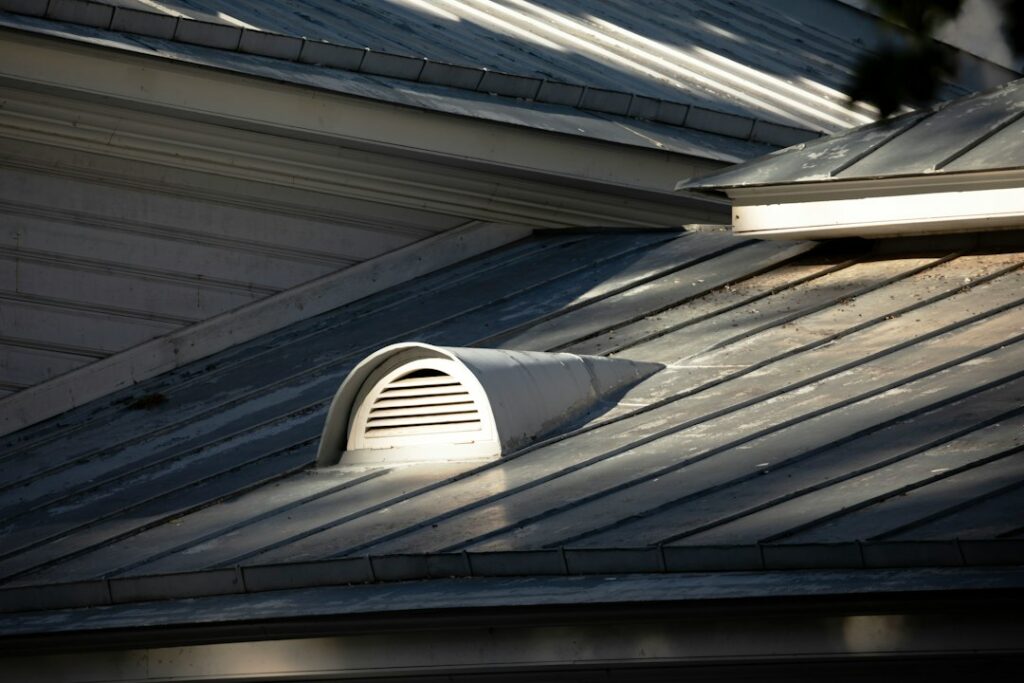
Roof damage caused by animals is often gradual rather than dramatic. A squirrel may widen a small opening, birds may loosen flashing while nesting, or raccoons may create enough movement to damage shingles and underlayment. By the time water appears indoors, the original entry point may be difficult to see.
For households in Palmyra, seasonal snow, freeze-thaw cycles, rain, wind, and mature trees can make animal-related roof problems more serious. Understanding the warning signs helps residents distinguish between a minor nuisance and damage that may affect the roof structure or living space.
Which animals commonly damage roofs?
The animals most often associated with roof and attic problems are squirrels, raccoons, birds, bats, mice, and other small wildlife. Each causes a different type of damage.
Squirrels are capable climbers and persistent chewers. They may enlarge gaps around roof edges, vents, fascia, soffits, and utility penetrations. Their chewing can affect wood, plastic, insulation, and in some cases electrical wiring inside an attic.
Raccoons are heavier and stronger. A raccoon may pull at loose shingles, bend flashing, damage a roof vent, or enlarge an opening that was originally created by another animal. Once inside, raccoons can disturb insulation and create sanitation concerns.
Birds often use roof edges, vents, chimneys, and sheltered spaces beneath overhangs for nesting. Nest material can block ventilation openings or create a fire risk if it contacts heated equipment. Woodpeckers may also create holes in siding, trim, or roof-adjacent wood.
Bats usually enter through very small gaps near flashing, ridge caps, soffits, or vents. Although they do not typically chew through roofing materials, their presence can indicate a vulnerable opening. Bat guano can stain surfaces and create health concerns if it accumulates in enclosed areas.
Mice and similar small animals may use openings around roof-wall transitions, vents, and attic access points. Their damage is often less visible, but nesting, contamination, and chewing can affect insulation and wiring.
How do animals get into a roof or attic?
Most animal entry points are not large enough to be obvious from the ground. A lifted shingle, separated flashing joint, missing screen, or small gap beneath a roof edge may provide enough space for wildlife to enter.
Common access points include:
- Loose or damaged soffits and fascia
- Openings around plumbing, electrical, or heating penetrations
- Unscreened ridge, gable, or soffit vents
- Damaged chimney caps or deteriorated mortar
- Gaps where the roof meets a wall
- Broken roof vents
- Tree limbs touching or overhanging the roof
- Existing storm damage that has not been sealed
Animals often take advantage of damage caused by weather. A windstorm may lift a shingle, and a squirrel may later enlarge the opening. Snow and ice can conceal these weak points until spring.
What types of roof damage can animals cause?
Animal activity can affect both the weatherproofing layer and the underlying roof system.
Chewing and clawing may tear shingles, underlayment, flashing, or vent materials. If water gets beneath the roof covering, the decking can begin to soften or decay. Repeated wetting may also damage rafters, trusses, insulation, and ceiling materials.
Nesting materials can block ventilation. A blocked soffit or ridge vent may trap heat and moisture in the attic. During cold weather, excess moisture can contribute to frost buildup, damp insulation, mold growth, and deterioration of roof framing. In warmer weather, poor ventilation can increase heat stress on roofing materials.
Heavier animals can cause physical movement. Raccoons may loosen roofing components by repeatedly entering and leaving through the same area. Their weight can also damage weak sections of roof decking or vent assemblies.
Animal waste presents a separate problem. Urine and droppings can stain wood, corrode metal, degrade insulation, and produce persistent odors. Droppings may also contaminate surfaces that are difficult to clean safely.
What are the warning signs of wildlife-related roof damage?
Interior clues are sometimes the first indication of a problem. Residents may notice scratching, scurrying, fluttering, chirping, or thumping sounds in the attic or ceiling. Activity may be most noticeable at dawn, dusk, or during quiet nighttime hours, depending on the species.
Other signs include:
- Droppings or nesting material in the attic
- Torn insulation or disturbed insulation paths
- Daylight visible through roof or wall openings
- Water stains near exterior walls or ceilings
- Damaged soffits, fascia, or roof vents
- Shingles that appear lifted, cracked, or missing
- Strong odors from enclosed spaces
- Grease marks or dirt around a repeated entry route
- Feathers, fur, or nesting debris near roof edges

A water stain does not always appear directly below the entry point. Water can travel along rafters, roof decking, insulation, or framing before reaching the ceiling. For that reason, the visible stain may be several feet away from the roof damage.
Why can local winter weather make the problem worse?
Snow and freeze-thaw conditions can magnify a small opening. Moisture that enters beneath a damaged shingle may freeze and expand, widening the gap. Repeated thawing and refreezing can loosen roofing materials and allow more water to enter.
Snow cover can also hide damaged shingles and roof edges from view. Ice buildup around eaves may obscure openings near soffits and fascia. After a winter storm, animal activity may increase because attics provide shelter from cold and wind.
The region’s changing weather also matters. A roof may experience snow, rain, strong wind, and mild thaws during the same season. Those transitions can turn a small animal-created defect into a leak more quickly than a dry, stable weather pattern would.
Should an animal be removed before the opening is sealed?
Yes. Sealing an opening while an animal is inside can trap it in the attic or separate a mother from young. That can lead to additional damage as the animal tries to escape.
The correct approach depends on the species, season, and location of the nest or den. Bats and many bird species may be protected under state or federal rules, and removal methods can be restricted. Residents should not handle bats, raccoons, or visibly sick or aggressive wildlife with bare hands.
A safe sequence generally involves identifying the animal, determining whether young are present, allowing or encouraging a lawful exit, and then repairing and reinforcing the entry point. Temporary barriers may be useful only when they do not trap animals inside.
Can homeowners inspect for animal damage safely?
A ground-level inspection is usually the safest starting point. Binoculars can help identify missing screens, lifted shingles, damaged vents, and openings near roof edges. Looking from the attic side may also reveal daylight, droppings, nesting material, or disturbed insulation.
Roof access becomes hazardous when surfaces are wet, icy, steep, or snow-covered. Attic spaces can also contain exposed nails, weak decking, electrical hazards, contaminated insulation, and poor ventilation. Avoid entering an area where an animal is cornered or where droppings are extensive.
If a roof defect affects a steep section, damaged structural framing, exposed wiring, or an active leak, safety and legal wildlife-handling requirements may require qualified assistance. The animal issue and the roof repair may need to be addressed separately.
How can animal-related roof damage be prevented?
Prevention focuses on closing access points while preserving proper roof ventilation. Useful measures include inspecting roof edges after major storms, repairing damaged soffits and fascia, replacing broken vent screens, trimming branches that provide easy access, and keeping roof penetrations properly sealed.
Repairs should not block designed ventilation openings. Covering a vent with an improvised material may keep animals out while trapping heat and moisture inside the attic.
Regular observation is especially useful in spring and fall, when wildlife may search for nesting or winter shelter. Early signs such as repeated scratching, loose roof-edge materials, or nesting debris are easier to address before they become leaks, insulation damage, or structural deterioration.
