
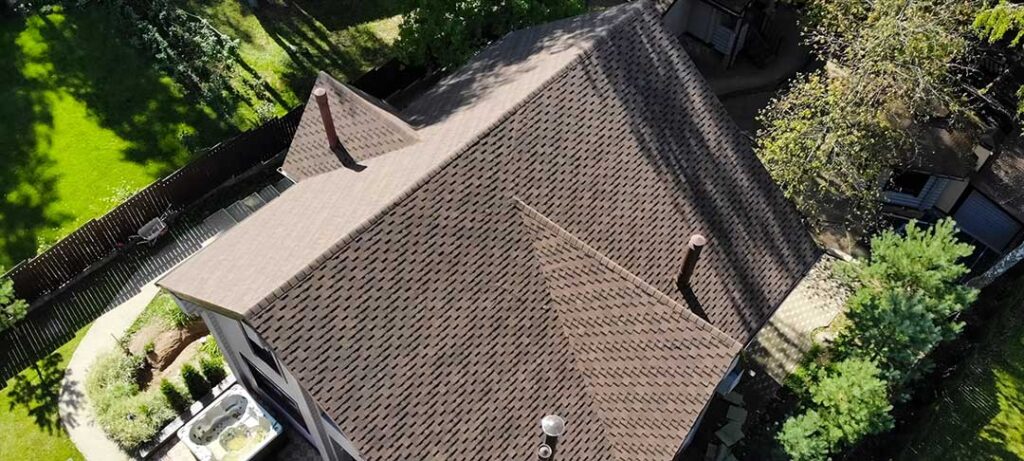
How Does Sun Exposure Impact Residential Roofs in Palmyra, NY?
Direct sunlight is a leading factor in roof wear, especially over the seasons in Palmyra, NY. Roofs are exposed to the sun’s ultraviolet (UV) rays, heat, and light for hours—particularly in summer. This consistent exposure gradually affects roofing materials, altering their performance and lifespan.
In Palmyra’s variable climate, summer brings strong sun and high humidity, while winter offers shorter days and often snow coverage. This means local roofs experience not just sun, but cycles between intense exposure and cold protection. The effects add up over years, leading to noticeable changes in how roofs look and function.
What Are the Main Effects of Sunlight on Roofing Materials?
Sunlight can cause both visible and invisible changes to roofing. Here’s what homeowners most often notice:
- Color fading — Shingles or metal panels often lose their vibrancy, appearing dull or lighter in exposed spots.
- Brittleness — Common in asphalt shingles, prolonged UV exposure dries out and degrades the material, making it easier to crack or break.
- Curling or warping — Heat from the sun can cause shingles to curl at the edges or even warp out of place, especially as they age.
- Granule loss — Asphalt shingles are coated in small granules for protection and color. Sunlight gradually wears these away, leading to bald patches.
- Thermal cycling damage — The repeated expansion on hot days and contraction during cool nights weakens roofing over years, making it vulnerable to leaks and wind.
Local homeowners often mistake sun-faded shingles as simply “old,” but it’s typically sun exposure accelerating the aging process.
Does Sun Damage Have the Same Effect Year-Round in Palmyra?
Though summer sunshine does the most visible damage, roofs in Palmyra experience sun-related wear throughout the year. During late spring to early fall, longer daylight hours and stronger sunlight increase aging effects. Even cloudy days allow some UV rays to reach surfaces, and snow can reflect sunlight back onto the roof in winter, intensifying exposure.
Roofs facing south or west get the brunt of sunlight, drying out faster and showing wear sooner than shaded or north-facing slopes. Trees and adjacent buildings that shade roofs can help reduce some sun effects, but these benefits are balanced by the need for adequate roof drying to prevent moss or algae growth.
Why Does Damage from Sunlight Matter for Local Roofs?
The practical result of sun exposure is that roofing materials break down more quickly, reducing how long a roof effectively protects a home. Signs of advanced sun damage, like curled or cracked shingles, can lead to:
- Leaks when it rains
- Higher risk of shingle blow-off during windstorms
- Less insulation from summer heat or winter cold
In Palmyra, roofs that wear out sooner may also drive up long-term home maintenance costs and can contribute to unexpected indoor damage if not monitored.
How Can Homeowners in Palmyra Minimize Sunlight Effects?
While no roofing material is entirely immune, there are ways local residents can help their roofs better handle sun exposure:
- Keep an eye on roof condition, especially after summer and again following winter
- Clear tree branches that scrape or shade unevenly, but leave some shade for cooling benefits if possible
- Ensure roof ventilation is working as intended, so trapped heat doesn’t speed up material breakdown
- When re-roofing, consider lighter colors or materials made to resist UV damage
- Schedule periodic inspections to catch early signs of wear
Homeowners sometimes believe "maintenance-free" claims, but even the most durable roofs benefit from occasional checks, especially in an area exposed to seasonal extremes.
Are Certain Roofing Materials Better at Resisting Sun Exposure?
The type of roofing used makes a real difference in how it handles sun and heat. Common materials seen in Palmyra respond differently:
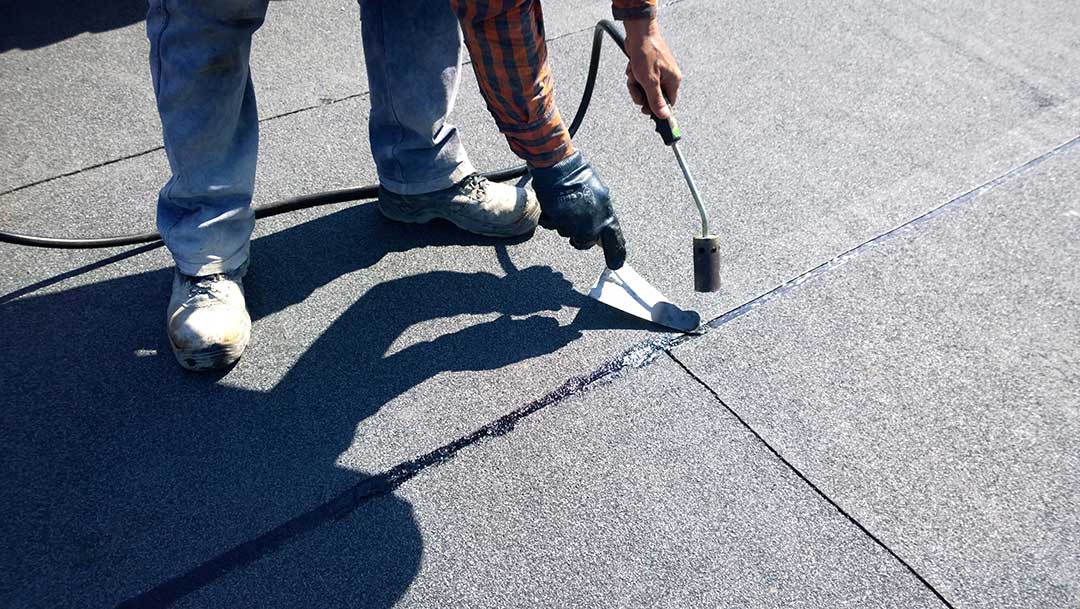
- Asphalt shingles are affordable and popular but are most vulnerable to sun-related fading, cracking, and loss of granules.
- Metal roofing tends to reflect more sunlight, keeping roof temperatures lower, but color coatings can still fade with time.
- Slate and clay tiles are less common locally but more resistant to sunlight and generally last longer, though they're heavier and pricier.
- Synthetic materials (like “rubber” or polymer roofs) often incorporate UV blockers, lasting longer than basic asphalt but still require good installation and ventilation.
Choosing the right material for Palmyra’s climate involves a balance of cost, appearance, and ability to handle both the sun and other local factors like snow, rain, and gusty winds.
What Misconceptions Do Homeowners Have About Sun Damage on Roofs?
It’s easy to underestimate the subtle ways sun accelerates roof aging. Some common misconceptions include:
- Believing that only visible damage (like missing shingles) matters, when underlying brittleness can precede obvious signs.
- Assuming that one season of harsh sun "ruins" a roof, when damage is cumulative and incremental.
- Thinking that only dark-colored roofs heat up—any material gets hot in direct sun, though darker colors do absorb more.
- Assuming new roofs are “set-and-forget”—even fresh installs need regular attention, especially with varied Palmyra weather.
Recognizing that sunlight is a slow, persistent factor—not just a one-time event—helps homeowners take the long view on roof care.
What Can Residents Do if They Suspect Sun Damage?
If shingles look faded, curled, cracked, or granule loss is visible, these could be signs of sun exposure taking a toll. Residents can:
- Safely inspect roofs from the ground with binoculars or use a ladder only if confident on heights
- Watch for leaks indoors, especially after storms or snow melts
- Make note of which roof sections look the most weathered—these areas may need closer monitoring year to year
For persistent issues or safety concerns, it’s wise to seek qualified advice—especially with steep roofs or if hidden leaks are suspected.
