
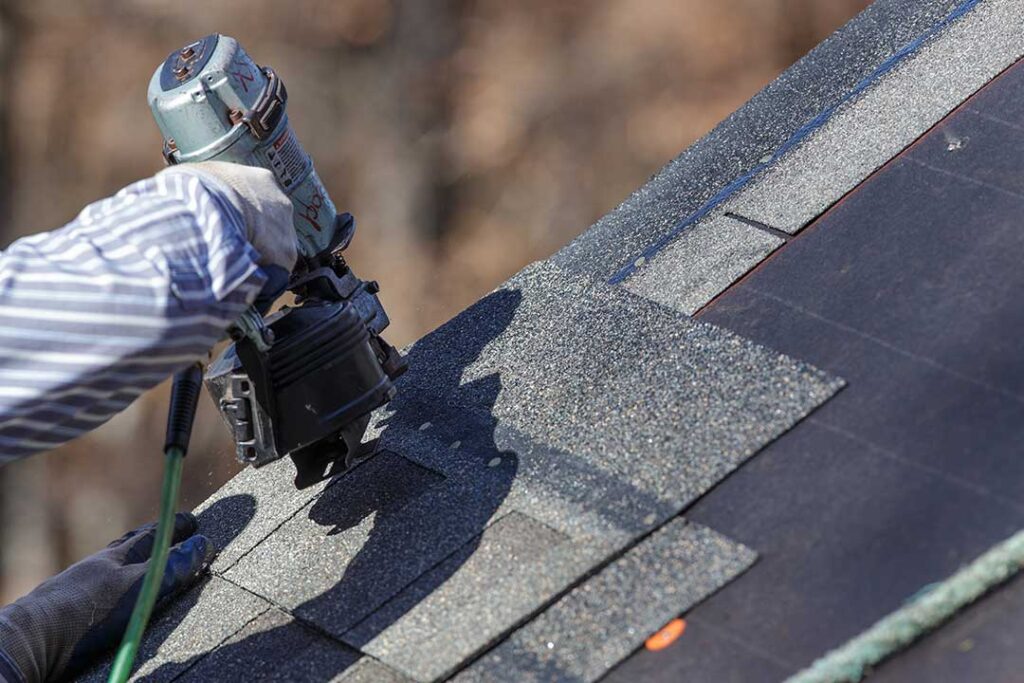
Do Roofs in Palmyra, NY Only Need Attention After a Leak?
Surprisingly, many local homeowners wait until a roofing issue turns into an obvious leak before investigating repairs or replacement. Regular inspections—even if there are no visible signs of trouble—are essential for extending the life of a roof. The climate in Palmyra, with its snowy winters and seasonal storms, can cause shingle wear, flashing problems, and gutter blockages that might not be immediately visible from the ground. Even small issues can lead to bigger (and costlier) problems if neglected.
Why Are Routine Checks Beneficial?
- Early identification of missing or curled shingles prevents water infiltration.
- Clearing debris from valleys and gutters averts ice damming in winter.
- Spotting minor granule loss can signal aging materials before leaks emerge.
Is All Roofing Material Essentially the Same?
It’s a common misconception that every roofing type offers similar performance or lifespan. The selection of roofing materials in Palmyra can have substantial impacts due to local weather patterns. While asphalt shingles are widespread, materials such as metal or architectural shingles may offer increased durability or energy efficiency—attributes particularly valuable for the area’s cold winters and warm, humid summers.
Considerations that Vary by Material:
- Some asphalt products are designed for higher wind resistance—a consideration in upstate New York.
- Metal roofs shed snow efficiently, which can reduce the risk of ice buildup.
- Not all shingles are rated for moss and algae resistance, which can be an issue with local tree cover.
Does a New Roof Always Mean a Full Tear-Off?
Not all roofing jobs require the removal of every old layer. New York State code does allow for one additional layer of roofing over existing shingles—providing the existing layer is in good shape and not already a double layer. However, layering isn’t always the best long-term solution. In Palmyra, homes with older roofs or evidence of widespread underlying damage, rot, or “soft spots” benefit more from a complete tear-off. Overlapping multiple layers can hide issues, add weight, and cause uneven finishes.
Situations Where a Tear-Off Is Necessary:
- Water stains or soft decking found indoors or in the attic.
- Roofing more than 20 years old with probable wood deterioration.
- Previous ice damming resulting in warped or damaged sheathing.
How Long Should a Roof Actually Last in the Palmyra Climate?
Many residents believe an asphalt roof should last 25 or 30 years. While some manufacturers may advertise extended warranties, actual roof lifespan is often shorter locally because of freeze-thaw cycles, wind events, and hail. Roofs might require attention as early as 15–20 years, depending on their orientation, pitch, and maintenance.
Signs a Roof Is Nearing the End of Its Useful Life:
- Missing grit or granules accumulating in gutters.
- Frequent blown-off or curling shingles following storms.
- Sagging, uneven areas or daylight visible in the attic.
Will Insurance Always Cover Storm or Tree Damage?
Property insurance can help, but it rarely covers every roofing issue. For instance, gradual wear and neglect are not covered, and causes perceived as “lack of maintenance” can result in denied claims. In Palmyra, severe wind or limb damage from falling branches after storms may be covered, but documenting the damage promptly is critical.
Actions to Take if Damage Occurs:
- Take clear photos and note the date and weather conditions.
- Temporarily cover holes to prevent further harm (if safely possible).
- Report promptly; delayed action can complicate the claims process.
Are Darker Roofs Always Warmer or Prone to Melting Snow Faster?
Locals often assume that dark roofing will melt snow quickly due to heat absorption. While dark roofs can accumulate more heat in direct sun, the difference in snow melt rate is minimal during stretches of overcast winter days that are common in upstate New York. More influential factors include roof pitch, attic insulation, and ventilation.
What Impacts Snow Accumulation and Ice Dams?
- Proper insulation and venting keep roof surfaces cold, reducing ice dam risks.
- Roof slope and exposure to prevailing winds can cause uneven snow loads.
- Sunlight patterns due to nearby trees or buildings play a role as well.
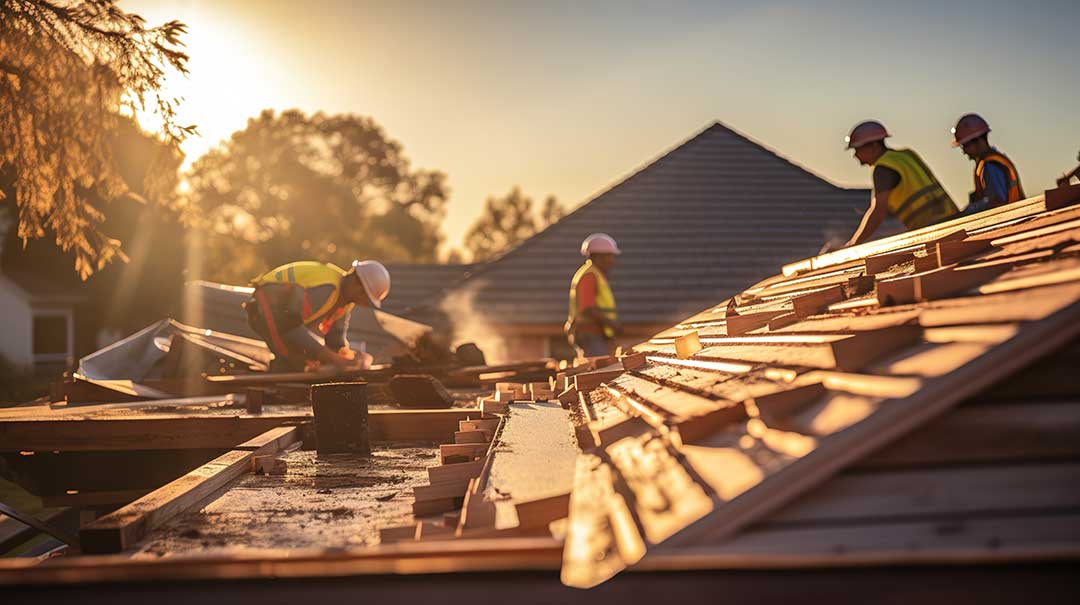
Can Moss and Algae Be Ignored if the Roof Isn’t Leaking?
Moss or algae growth, frequently seen on shaded or north-facing roofs in Palmyra, shouldn't be overlooked. Moss traps moisture against shingles, which can accelerate granule loss and rot in the sheathing below. Algae stains, while mostly cosmetic, may also indicate persistent moisture issues.
Simple Steps for Addressing Growth:
- Gently remove debris with a soft brush—avoid pressure washing, which can harm shingles.
- Install zinc or copper strips near the roof ridge to inhibit regrowth naturally.
- Check nearby trees to reduce excessive shade if practical.
Is DIY Roof Repair as Straightforward as it Looks Online?
Online videos make roof fixes look simple, but the reality is more complex. Steep slopes, slippery surfaces, and unanticipated deck damage create safety risks. In Palmyra, climbing onto an icy or damp roof is especially hazardous during the shoulder seasons. Repairs such as replacing individual shingles or resealing flashing require knowledge to avoid causing greater harm or voiding manufacturer warranties.
When Should Residents Avoid DIY?
- When repairs involve electrical work or chimney flashings.
- If there’s visible rot or the need to walk on multiple damaged sections.
- Any situation involving significant heights or unstable decking.
What Role Does Ventilation Play in Roof Longevity?
Many homeowners underestimate the importance of attic ventilation. Proper airflow prevents moisture buildup in the attic and helps regulate temperature extremes—crucial in the ever-shifting conditions of Palmyra. Poor ventilation can lead to premature shingle aging, condensation, and even mold.
Signs of Ventilation Problems:
- Persistent frost in attic spaces during winter.
- Excessive heat or moisture in the attic in summer.
- Mold or musty odors near ceiling fixtures.
