

How Can Small Roof Issues Become Major Problems?
Small leaks, missing shingles, or minor flashing damage might seem harmless at first, but ignoring these issues can set off a chain reaction. Even mild damage can allow water to get beneath roofing materials. Over time, moisture intrusion can weaken decking, rot wooden supports, and damage insulation, making repairs much costlier in the future.
Palmyra’s seasonal freeze-thaw cycles intensify these vulnerabilities. Water can seep into tiny gaps, then expand as it freezes, worsening cracks and creating even wider entry points for later storms. What started as a single missing shingle or a minor leak in the attic may, by next spring, reveal itself as sagging ceilings or a persistent musty odor indoors.
Why Does Moisture Under the Roof Matter?
Moisture beneath roofing materials threatens more than just the structure—it also affects indoor air quality and energy efficiency. In homes across the area, unnoticed moisture has led to:
- Mold growth behind walls and ceilings, aggravated by humid summers
- Deterioration of attic insulation, reducing the effectiveness of heating and cooling
- Increased risk of ice dams in winter, which can send meltwater back beneath shingles
If ignored, these problems can drive up heating bills and cause recurring allergic reactions or respiratory irritation. Mold remediation is often more costly and disruptive than routine roof maintenance.
Do Leaks Always Make Themselves Obvious?
Not all leaks create dramatic stains or drips right away. In practice, slow leaks often go unnoticed for months or even years, especially in unfinished attics or storage spaces less frequently visited. Local residents sometimes discover hidden water damage only when selling a home, renovating rooms, or after a heavy storm exposes long-standing weaknesses.
A slow leak might show up as:
- Subtle bubbling or dark spots on ceiling paint
- Faint musty odors, especially after rain
- Peeling exterior paint or unexplained dampness near eaves
Catching these signs early can help prevent larger structural repairs that result from saturated rafters or rotted decking.
Can Neglected Roof Repairs Affect Home Structure?
Ongoing exposure to water can degrade more than just roof materials. If leaks persist over multiple seasons, the underlying wood can deteriorate, leading to structural concerns. Common structural impacts in this region include:
- Sagging shingles or visible depressions in the roofline
- Soft spots where the roof feels spongy under foot (if accessed for inspection)
- Fascia and soffit rot, which can attract squirrels or birds looking for nesting sites
These structural weaknesses make it easier for high winds or heavy snow — both frequent local concerns — to damage a home further.
Are There Safety Hazards Beyond the Roof?
Yes, the risks extend indoors. Electrical wiring sometimes runs through attic spaces. Persistent leaks can corrode wiring or pooling water might drip onto light fixtures, creating serious fire or shock hazards.
Homeowners occasionally report ceiling collapses during periods of prolonged rain or after snow melts quickly. Even small interior collapses often require complex repairs and can force families out of their homes temporarily.
How Do Neglected Roofs Impact Home Value and Insurance?
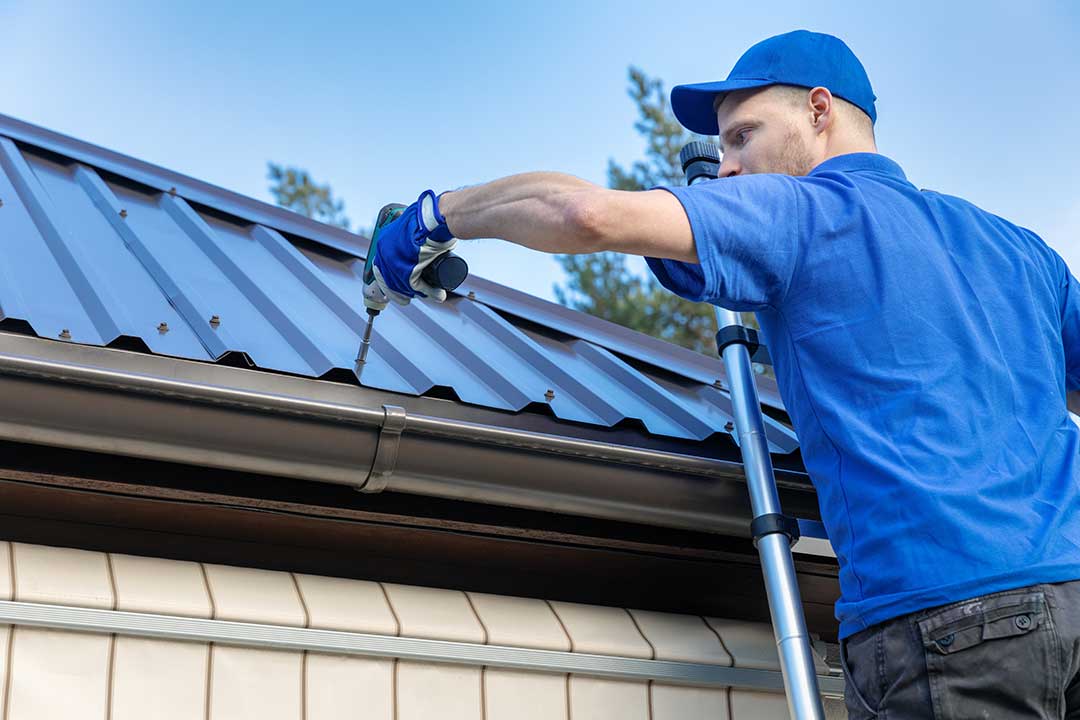
Unattended roof problems can lower a home’s appraised value and complicate insurance coverage. In many cases, insurance policies require routine maintenance as a condition for covering water damage. Claims for long-term leaks or deterioration due to neglect are often denied.
During a home sale, visible signs of roof wear, mismatched materials, or patched leaks prompt home inspectors to recommend further investigation. This can delay transactions, lower offers, or encourage buyers to ask for repair credits.
How Quickly Can Roof Damage Escalate After a Storm?
Severe wind, hail, or heavy snow can cause sudden roof problems that demand prompt attention. In this region, storms sometimes uproot shingles or send branches tumbling onto roofs. Even moderate wind events can dislodge flashing along chimneys or vents.
Left unchecked, minor storm-related damage can result in:
- Widespread shingle loss during the next event
- Water intrusion under underlayment
- Accelerated age of the entire roof system
It’s a misconception that new roofs are “set and forget”—even recently replaced roofs can develop early vulnerabilities if post-storm checks are skipped.
What Maintenance Steps Help Prevent Bigger Issues?
Simple prevention is far less disruptive than managing the fallout from ignored repairs. Homeowners can:
- Clear gutters and downspouts in the spring and fall to prevent ice damming
- Visually inspect the roof after storms, looking for missing or raised shingles
- Check for signs of leaks in attics or along ceiling lines once each season
- Trim tree branches that overhang the home to avoid impact and leaf buildup
In neighborhoods where roofs are hard to view from the ground, using binoculars or simple smartphone photos can spot problem areas before they escalate.
