
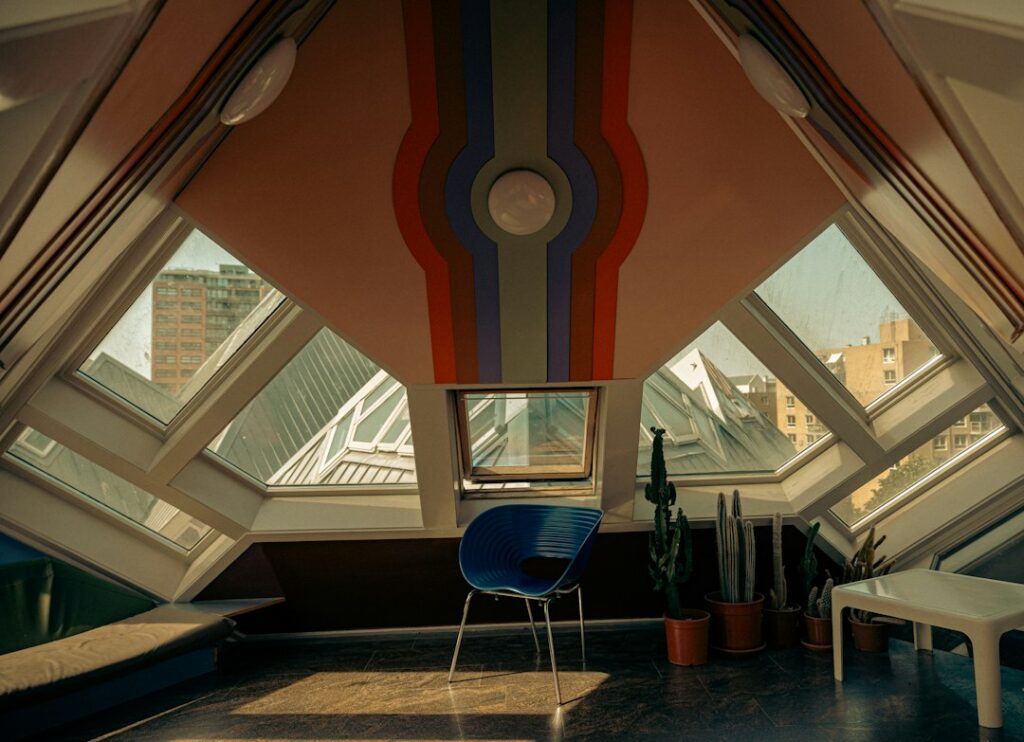
Skylights can brighten a dark room, improve ventilation, and make a home feel more open. They also create an opening in the roof, which means they affect water drainage, insulation, framing, energy use, and long-term maintenance.
For homeowners in Palmyra, NY, skylights must handle more than sunlight. Roof systems also face snow, freezing temperatures, ice formation, wind-driven rain, summer heat, and repeated freeze-thaw cycles. A skylight that is well designed and properly integrated can perform reliably, but a poorly installed or aging unit may become one of the most vulnerable areas of the roof.
Do skylights make a roof more likely to leak?
Yes, but the skylight itself is not automatically a problem. The main concern is the roof opening and the flashing system surrounding it.
A roof normally sheds water across a continuous surface. A skylight interrupts that surface. Water must be directed around the unit using several layers of protection, including:
- Metal or manufacturer-designed flashing
- Underlayment around the opening
- Properly sealed corners and joints
- Correct integration with the roof covering
- A raised curb when required by the roof slope or skylight design
Leaks often begin when flashing is damaged, incorrectly installed, covered by later roofing work, or separated by movement and weathering. Roofing cement alone is not a substitute for a complete flashing system.
Water may not appear directly below the skylight. It can travel along roof decking, rafters, insulation, or interior framing before becoming visible as a ceiling stain. That is why a small mark around a skylight should not be dismissed as ordinary condensation.
How do skylights affect roof drainage and snow?
Skylights can change the way snow and water move across a roof. A unit installed below a roof slope may collect runoff from the area above it. Snow can also build up against the upper side of the skylight, especially where the roof has a lower pitch or the unit is wide.
This can increase pressure on the flashing and create conditions where melting snow refreezes near the opening. During winter weather, repeated thawing and freezing may expose weak points that remain unnoticed during dry seasons.
A skylight does not always require a separate raised structure to divert water, but the need depends on its size, location, roof slope, and installation instructions. Wider roof penetrations may require a cricket or saddle on the uphill side to split water and snow around the unit. Smaller factory-built skylights may have different requirements.
The roof should also remain clear of debris around the skylight. Leaves, twigs, and packed snow can interfere with drainage and keep moisture against flashing for longer periods.
Can a skylight weaken the roof structure?
A skylight can affect roof framing, particularly when the opening requires cutting or modifying rafters or trusses.
Most roof openings are framed with headers and other supporting members that transfer the load around the skylight. If the opening is enlarged without proper framing, the roof may sag, shift, or develop stress around the unit. Problems may be more serious when a skylight is installed near a ridge, valley, hip, chimney, or another roof opening.
Truss-framed roofs require special care because trusses are engineered assemblies. Cutting or altering a truss without an approved structural design can reduce its capacity.
Signs of possible structural trouble include:
- Sagging roof sheathing near the skylight
- Cracks in interior drywall around the light shaft
- Trim that separates from the ceiling
- Doors or windows that begin sticking after installation
- Visible movement or distortion in the skylight frame
A skylight does not necessarily weaken a roof when it is correctly planned. The concern is whether the surrounding structure was properly designed and preserved.
Do skylights increase heating and cooling costs?
They can. A skylight is part of the home’s window system, but it is positioned where it receives different sunlight and weather exposure than a vertical window.
In winter, a skylight may lose more heat than an insulated section of roof. In summer, direct sunlight can add substantial heat to the room below. The effect depends on the size, glazing, frame, orientation, shading, air sealing, and insulation around the shaft.
Energy performance is commonly described using two factors:
- U-factor: Measures how quickly heat passes through the skylight. Lower values generally indicate better insulation.
- Solar heat gain coefficient: Describes how much solar heat enters through the glazing. A lower rating can help reduce unwanted summer heat, while the appropriate choice depends on the room and exposure.
Condensation is another energy-related concern. Warm, humid indoor air can reach a cold skylight frame or shaft and form moisture. Good air sealing and insulation around the opening reduce this risk. Kitchens, bathrooms, and rooms with poor ventilation may be especially prone to condensation.
Are skylights useful for ventilation?
Some skylights open to release warm air and bring in outdoor air. This can improve comfort during mild weather, but an operable skylight has additional moving parts and seals that require attention.
A ventilating unit may develop problems if:

- The sash does not close evenly
- Gaskets become brittle
- Hinges or operators corrode
- Insects or debris block drainage channels
- The unit is left open during rain or strong wind
Automatic rain sensors can reduce the chance of water entering through an open skylight, but they are not a replacement for maintenance. Ventilation also works best when the room has a practical intake path, such as a window or lower-level opening. A skylight opened by itself may not create much air movement.
What are common signs that a skylight needs attention?
Interior warning signs include brown or yellow ceiling stains, bubbling paint, damp drywall, peeling trim, musty odors, and water droplets on the inside of the glazing. These symptoms may point to a roof leak, failed seal, condensation, or a combination of problems.
From the roof side, look for cracked or displaced flashing, deteriorated sealant, damaged shingles near the unit, rust, blocked drainage channels, and gaps around the frame. A foggy appearance between panes usually indicates that the insulating seal has failed. That does not always mean the roof is leaking, but it does mean the skylight is no longer performing as designed.
Inspection is safest from the ground or from inside the home. Climbing onto a snowy, icy, steep, or wet roof creates a serious fall hazard.
Should an old skylight be repaired or replaced?
The answer depends on the condition of the frame, glazing, flashing, shaft, and surrounding roof. A minor issue with an accessible seal or flashing detail may be repairable. Replacement may make more sense when the unit has cracked glazing, persistent condensation between panes, warped framing, repeated leaks, or outdated insulation performance.
Roof age also matters. Installing a new skylight shortly before replacing the roof can create avoidable overlap in labor and flashing work. On the other hand, replacing a roof without properly evaluating existing skylights may leave an aging weak point in place.
Any work should account for the complete assembly, not just the visible glass. The roof covering, underlayment, flashing, framing, insulation, interior shaft, and finish materials all affect the result.
What should Palmyra homeowners consider before adding a skylight?
The best location is not always the one with the most sunlight. A skylight should be evaluated in relation to roof slope, framing, drainage, snow movement, room use, ventilation, and future roof maintenance.
Before installation, homeowners should understand:
- Whether the roof framing can support the planned opening
- How water and snow will be directed around the unit
- How the shaft will be insulated and air-sealed
- Whether shading is needed during summer
- Whether the glazing is appropriate for the room
- How the skylight will be maintained safely
- Whether local building requirements apply to the alteration
A skylight can be a valuable part of a roof system, but it should be treated as a structural and weatherproofing detail rather than simply a window placed overhead. Proper design, careful flashing, sound framing, and routine observation are what allow the added daylight without turning the roof opening into a recurring source of moisture or energy problems.
